
Equip Memory Care Units with Alert Systems for Better Resident Care
bldgcontrols • March 19, 2018

March 19, 2018

Individuals with Alzheimer’s, dementia, and other diseases that affect cognitive skills and memory make up a significant proportion of aging and elderly adults living in nursing facilities in the United States. Many nursing homes have already adjusted to this shift with dedicated Memory Care Units, where specialized care can be provided without interrupting the daily lives of other facility residents. Because of the sensitive nature of the services being provided, it can be difficult to find a balance between providing your residents with both the privacy and the protection they need. However,  equipping your hospitals and nursing facilities with the right technology  will aid you and your residents for better care.

Increased Security

Maintaining security inside a unit that houses individuals with cognitive issues often focuses more on keeping people in than others out. While most nursing homes provide their residents with access to the outdoors, atriums, and social areas, residents with cognitive impairments may require supervision while using these areas to prevent them from harming themselves or others. Security is important to keep all personnel and patients safe.

Incorporating Security Cameras

Using security cameras provides eyes to various locations and can prevent a variety of dangerous situations. Cameras located in hallways, at exits, and throughout common areas can help staff locate residents and monitor them without interfering. When choosing cameras, it is important to keep in mind that residents inside a Memory Care Unit may exhibit behaviors that can cause damage to cameras and other security devices. Ensure that camera choices blend in with the environment and are placed out of arms reach to prevent mishaps.

Many nursing homes have found great success with dome cameras, which blend in well and are difficult to grab on to. Dome cameras are discrete and can be used inside or outside for maximum visibility coverage. As a bonus, they may also be fitted with a shatterproof cover to prevent damage from thrown objects.

Strategic Camera Placement

Every resident, regardless of their cognitive abilities, has a basic right to privacy. This can make placing cameras difficult in some areas of the building. It is always important to ensure that cameras do not record in resident rooms, bathrooms, or other areas where there is an expectation of privacy. Careful placement of cameras in hallways can prevent inadvertent peeping while still covering those areas you need to monitor the most. Some good placement areas include:

  • Hallways
  • Exits
  • Nursing Stations
  • Common Areas
  • Medicine Carts
  • Dining Areas
  • Storage and Janitorial Rooms

Meet with your system installers prior to installing or upgrading your existing camera systems to ensure you are getting the best possible coverage.

Automated Doorway Systems

Doorway automation systems in the Memory Care setting is a great way to provide non-invasive security that doesn’t rely on the constant vigilance of staff members. Many nursing facilities were not designed with a Memory Care Unit in mind and are not designed to allow staff to easily monitor and direct resident traffic.

In a Memory Care ward, flexibility is the key to keeping your residents safe. While some areas, such as janitorial closets, nursing stations, and maintenance rooms should be off limits, other communal areas may only be accessible by certain residents or at certain times of the day. An automated system can help nursing staff keep track of residents with safety-related behavioral issues.  Door monitoring systems  are extremely popular inside nursing homes and are one of the most flexible ways to control the flow of traffic in your building.

Flexible Access

Anyone working in a Memory Care Unit knows that adaptability is the best way to keep residents happy and safe. The ability to flex rules to contain behaviors is a key part of the Memory Care environment. Camera systems allow staff to monitor residents who do not wish to be approached. Door automation and alarm systems allow you to customize access on the fly, allowing some residents into areas while keeping others out. The flexibility and non-invasive nature of these systems make them essential to providing high-quality Memory Care services.

A nursing facility isn’t just a business; it is also a home. Ensuring that your residents are comfortable as well as safe is a big part of providing them with the care they need. Most nursing homes opt for non-invasive security options to assist their staff in keeping residents healthy and safe. Whether you are installing a new system or upgrading an old one, our healthcare security specialists can help you create a safe environment for your staff and your residents.  Contact us  for more information and to learn more about how our building automation solutions can help your healthcare facility needs.

By 7004697973 November 12, 2025
This is a subtitle for your new post
A picture of an image holder on a white background.
By Hibu Websites November 12, 2025
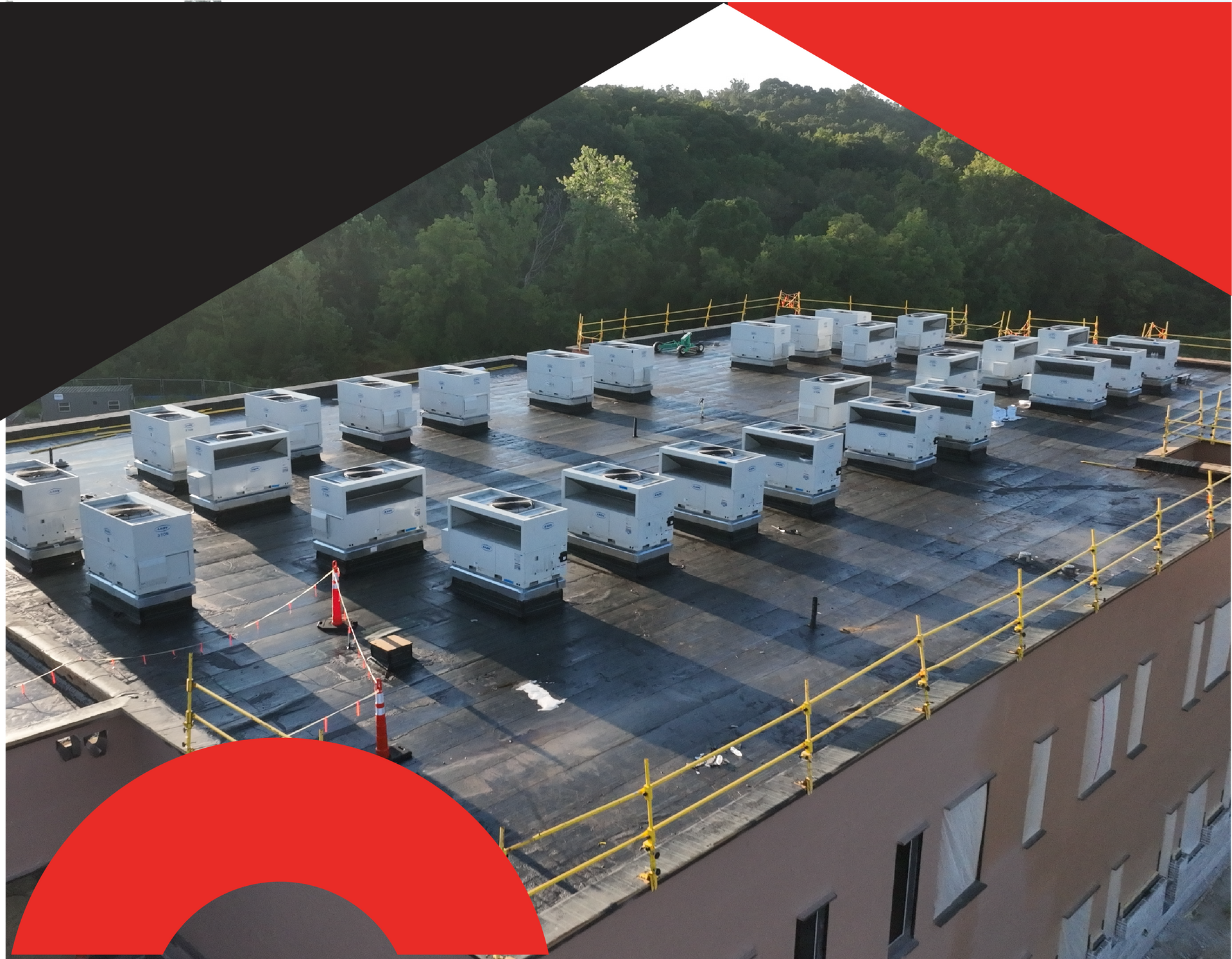
When purchasing new rooftop units (RTUs), the immediate focus often lands on the upfront costs: the purchase price and installation. However, a deeper look reveals that these initial expenses are only a small fraction of the overall financial commitment. To truly understand the long-term financial implications of your investment, it is crucial to evaluate the Total Cost of Ownership (TCO) . WHAT IS TOTAL COST OF OWNERSHIP? TCO encompasses the complete lifecycle costs of your facility and its equipment, providing a comprehensive view of both short-term and long-term expenses. Beyond the initial purchase and installation costs, TCO includes ongoing operational expenses such as energy consumption, maintenance, repairs, and eventual replacement. By adopting a TCO-focused approach, buyers can make more informed decisions that align with their financial and operational goals. WHY TCO MATTERS Uncovering Hidden Costs Many RTU-related expenses are not immediately apparent at the time of purchase. These can include: Energy Consumption: RTUs with lower energy efficiency ratings may have lower upfront costs but can lead to significantly higher energy bills over time. Maintenance and Repairs: Frequent maintenance or costly repairs for less durable units can add up quickly, impacting your budget. Downtime Costs: Breakdowns can disrupt operations, leading to additional expenses from lost productivity or temporary cooling/heating solutions. Compliance Costs: Adapting older, less efficient units to meet evolving energy regulations can result in unexpected expenditures. Optimizing Long-Term Savings Investing in energy-efficient RTUs might involve higher initial costs, but these units typically deliver substantial savings through reduced energy consumption. Over time, the lower utility bills and fewer maintenance needs can offset the upfront expense, making these models more cost-effective in the long run. Durability and Lifespan High-quality RTUs with a longer lifespan can help delay the need for replacement, further optimizing the value of your investment. Units built for durability also tend to perform more reliably, minimizing disruptions and associated costs. MAKING AN INFORMED DECISION Evaluating the TCO of RTUs allows for a side-by-side comparison of different models based on key factors such as: Energy Efficiency Ratings Maintenance Requirements Durability and Build Quality This analysis helps you strike the right balance between upfront costs and long-term value, ensuring that the unit you choose supports both your financial objectives and operational needs. THE BIGGER PICTURE: FINANCIAL & ENVIRONMENTAL IMPACT Considering TCO is not just about saving money—it’s also about making smarter, more sustainable choices. Energy-efficient RTUs not only lower operational costs but also reduce carbon footprints, aligning your investment with environmental stewardship and compliance with green building standards. Focusing solely on the initial purchase price of an RTU can be a costly mistake. By incorporating TCO into your purchasing process, you gain a holistic understanding of the unit’s true cost over its lifespan. This proactive approach minimizes surprises, maximizes cost-effectiveness, and ensures your investment delivers value for years to come. Before purchasing your next RTU, take the time to evaluate its TCO—your future budget will thank you. Contact your BCS representative to explore more on Total Cost of Ownership and how we can support your financial and operational goals.

By bldgcontrols July 9, 2018
The average American spends 93% of their life indoors. For a school aged child, that is spent largely at school. According to National Center for Education Statistics (NCES), there are almost 99,000 public K-12 schools in America and the average public-school building in the U.S. is 42 years old. Our students are spending their days […] The post The Importance of HVAC to the K-12 Learning Environment appeared first on Building Controls and Services, Inc..

Show More →