Secure Your School with an Integrated Fire and Life Safety System
bldgcontrols • March 26, 2018

March 26, 2018

In a school, there are several important resources, systems, and equipment to keep all moving parts running. One important system that needs to always be in working order is the  fire alarm system. When parents send children to school, they put trust in the school to keep their children safe and away from danger. Parents expect schools to be able to handle any form of emergency that may come up. A fire alarm system is one of the systems that schools need, ensuring that students and all personnel will be kept safe and secure.

indoor hallway with brick walls and wooden floors with fire extinguisher and stand in middle of hallway

If a fire breaks out, the fire and smoke alarm system should be able to quickly alert students, teachers, and staff members that there is an emergency. The pull stations on a fire alarm should all be in working condition, so if a fire does start, people will be able to quickly activate the alarm. In the event of a fire, the school’s fire alarm system needs to be able to notify the fire department and other authorities to handle and resolve the emergency. To make sure that the school’s fire alarm system is working properly, it is essential to have it inspected by a professional fire protection company. Not only are inspections required by law, but upkeep and maintenance ensures proper operation, so everyone can be alerted to ensure safety.

One of the most important functions of a fire alarm is to warn everyone that there is a fire emergency and to take action. A system can also significantly improve the school’s sense of security and safety. A great fire alarm system is integrated with a school’s access control, camera surveillance, and communication systems. With a comprehensive system, schools will be better equipped to handle an emergency. When a school’s fire alarm goes off, the integrated system will be able to quickly contact proper emergency responders and authorities.

Why Should You Integrate Your School’s Systems?

There are various benefits to integrating your school’s emergency communication, fire alarm, and security surveillance systems. Some will be beneficial in the long-term, whereas other advantages are direr and will directly impact an emergency situation.

Save Money

If you use one company to take care of your school’s security, alarm system, and inspections, you will have the ability to integrate and bundle all your systems. This helps with compatibility and offers a unified, cohesive structure. Repairs and maintenance needs go through one, reliable funnel. When your systems are integrated, you will quickly begin to see the cost savings and benefits.

Prompt, Verified Responses

When an emergency strikes, your school is going to need quick actions from multiple parties. When your systems are integrated, there will be fewer worries of false alarms when an emergency can be confirmed through other resources and equipment. All parts work together and provide quick alert to any required action.

Unifying Tools and Resources

Integration and organization allows for control and management of one system, rather than operating multiple parts. Access to all systems in one location is much more efficient and also convenient. If an emergency arises, schools will have instant access to one, united array of tools and resources to help everyone better handle situations.

An integrated interface will bring a whole fire alarm system together for direct and convenient functionality. Most importantly, it also ensures everyone in your school will be safe and secure from when they enter the building until they leave. To learn more about fire and life safety systems, and how implementing a unified system will help your school building,  contact us  today.


By 7004697973 November 12, 2025
This is a subtitle for your new post
A picture of an image holder on a white background.
By Hibu Websites November 12, 2025
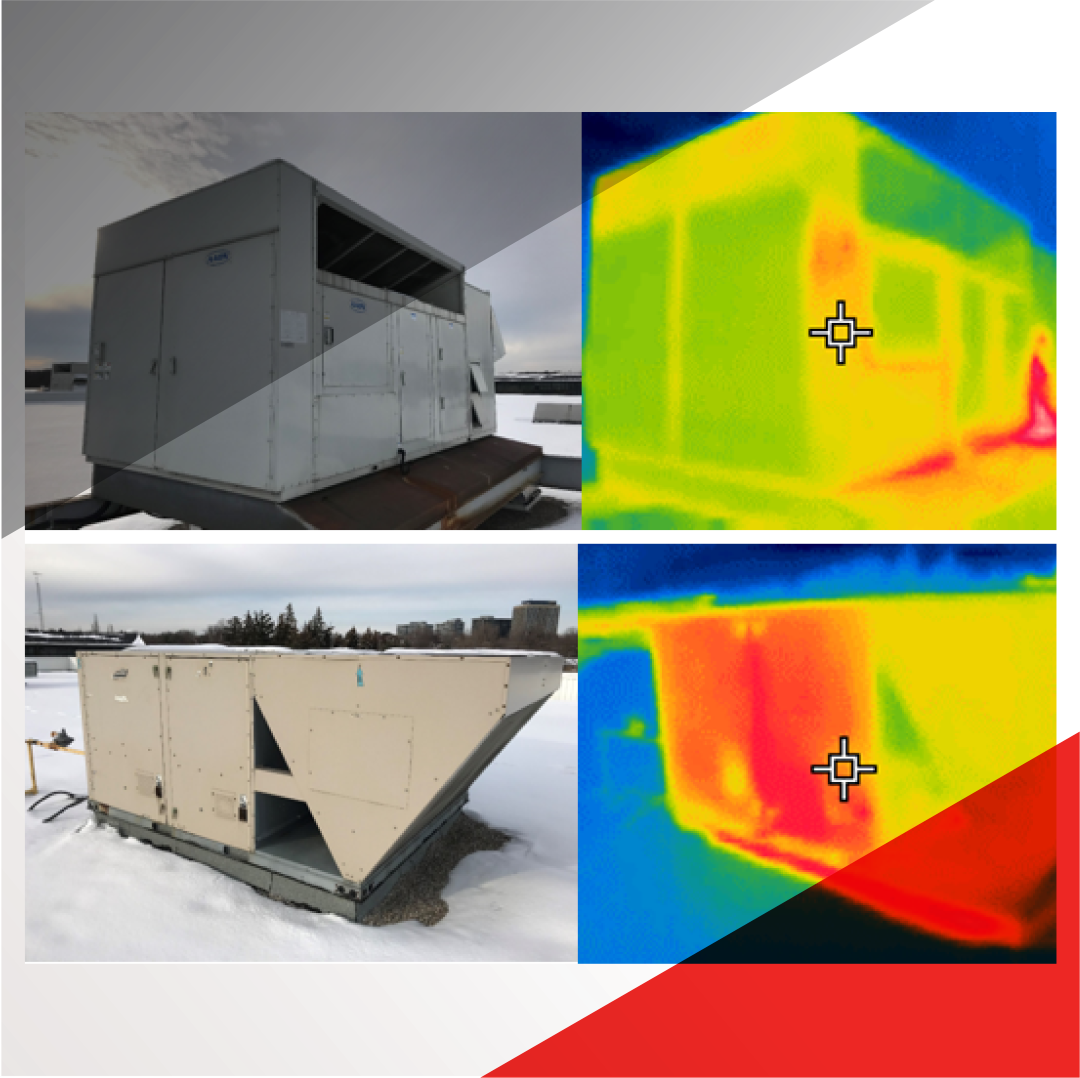
When purchasing new rooftop units (RTUs), the immediate focus often lands on the upfront costs: the purchase price and installation. However, a deeper look reveals that these initial expenses are only a small fraction of the overall financial commitment. To truly understand the long-term financial implications of your investment, it is crucial to evaluate the Total Cost of Ownership (TCO) . WHAT IS TOTAL COST OF OWNERSHIP? TCO encompasses the complete lifecycle costs of your facility and its equipment, providing a comprehensive view of both short-term and long-term expenses. Beyond the initial purchase and installation costs, TCO includes ongoing operational expenses such as energy consumption, maintenance, repairs, and eventual replacement. By adopting a TCO-focused approach, buyers can make more informed decisions that align with their financial and operational goals. WHY TCO MATTERS Uncovering Hidden Costs Many RTU-related expenses are not immediately apparent at the time of purchase. These can include: Energy Consumption: RTUs with lower energy efficiency ratings may have lower upfront costs but can lead to significantly higher energy bills over time. Maintenance and Repairs: Frequent maintenance or costly repairs for less durable units can add up quickly, impacting your budget. Downtime Costs: Breakdowns can disrupt operations, leading to additional expenses from lost productivity or temporary cooling/heating solutions. Compliance Costs: Adapting older, less efficient units to meet evolving energy regulations can result in unexpected expenditures. Optimizing Long-Term Savings Investing in energy-efficient RTUs might involve higher initial costs, but these units typically deliver substantial savings through reduced energy consumption. Over time, the lower utility bills and fewer maintenance needs can offset the upfront expense, making these models more cost-effective in the long run. Durability and Lifespan High-quality RTUs with a longer lifespan can help delay the need for replacement, further optimizing the value of your investment. Units built for durability also tend to perform more reliably, minimizing disruptions and associated costs. MAKING AN INFORMED DECISION Evaluating the TCO of RTUs allows for a side-by-side comparison of different models based on key factors such as: Energy Efficiency Ratings Maintenance Requirements Durability and Build Quality This analysis helps you strike the right balance between upfront costs and long-term value, ensuring that the unit you choose supports both your financial objectives and operational needs. THE BIGGER PICTURE: FINANCIAL & ENVIRONMENTAL IMPACT Considering TCO is not just about saving money—it’s also about making smarter, more sustainable choices. Energy-efficient RTUs not only lower operational costs but also reduce carbon footprints, aligning your investment with environmental stewardship and compliance with green building standards. Focusing solely on the initial purchase price of an RTU can be a costly mistake. By incorporating TCO into your purchasing process, you gain a holistic understanding of the unit’s true cost over its lifespan. This proactive approach minimizes surprises, maximizes cost-effectiveness, and ensures your investment delivers value for years to come. Before purchasing your next RTU, take the time to evaluate its TCO—your future budget will thank you. Contact your BCS representative to explore more on Total Cost of Ownership and how we can support your financial and operational goals.
By bldgcontrols July 9, 2018
The average American spends 93% of their life indoors. For a school aged child, that is spent largely at school. According to National Center for Education Statistics (NCES), there are almost 99,000 public K-12 schools in America and the average public-school building in the U.S. is 42 years old. Our students are spending their days […] The post The Importance of HVAC to the K-12 Learning Environment appeared first on Building Controls and Services, Inc..
Show More →